It recently came to my attention that many professional orchestras (of various ranks and sizes) have collectively decided to put on a Star Wars concert around this month. The New York Philharmonic just celebrated John Williams during their spring Gala and several other orchestras have a concert lined up exactly on May 4 (i.e. – May the Fourth be with you). For your own entertainment, this is not a complete list but.. https://www.starwarstickets.com/
Category: Practice (Exercises and Strategies)
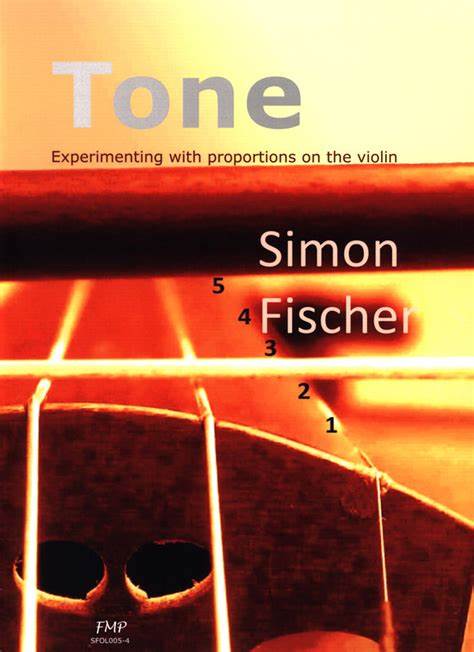
Last week on Tonebase, I was very inspired by the live interview between Daniel Kurganov and Daniel Rowland and their discussion on tone colors. In particular, their exploration of the first movement of the Franck Sonata prompted me to whip out Simon Fischer’s book Tone. Sometimes, when we look for that special sound in a piece, we can imagine it or sing it, but not always sure how to execute it on our instrument…at least not consistently. This is where a lot of experimentation comes in. But for successful experimentation, we also need a deeper understanding of how the different elements on the violin/viola work in tandem.
Continue reading “Exploring Dynamics and Color with Simon Fischer’s ‘Tone’”
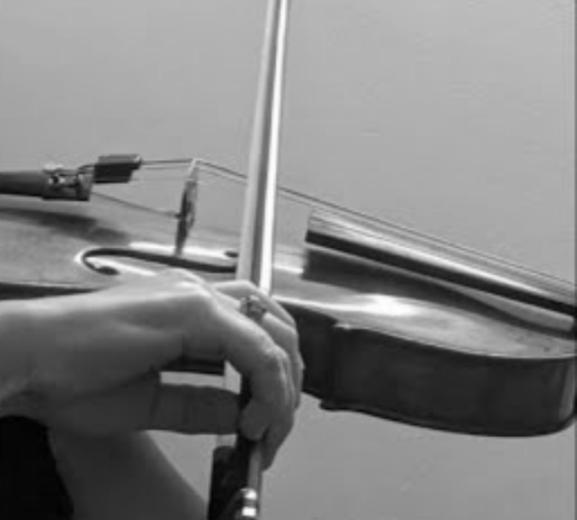
I’ve been thinking long and hard about where to begin the discussion on best practices to minimize unnecessary tension in the bow arm. The complexities of bow technique development for good tone production, various articulations, dynamics, and expression can easily lead one to develop bad habits somewhere along the way.
The most common problems with bow arm tension in players of ALL levels are: Continue reading “Unfolding Tension in the Bow Arm & Hand”
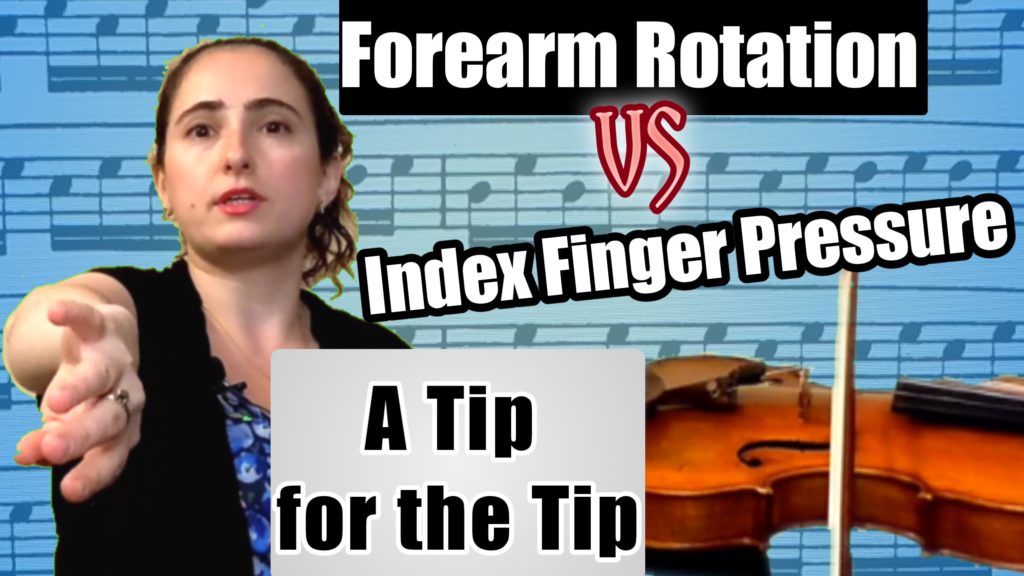
An alternative approach to bow “pressure” involves the entire forearm and using the natural arm weight. Develop beautiful, even sound with more consistency and less effort with these exercises.
Continue reading “How To Get a Good Sound at the Tip with Less Effort and More Consistency”
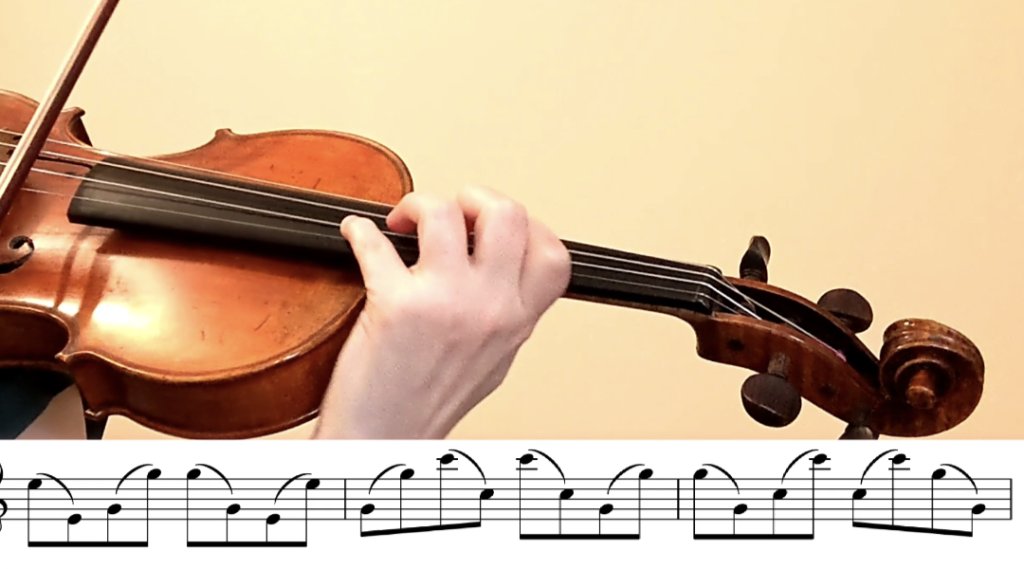
When we learn how to shift and practice going from one position to another, our attention usually zeroes in on two things: intonation and mechanics of the left hand. Which finger is moving? At what speed? What is the thumb doing? What pressure should the finger have? What is the interval between the two notes? Singing the music…and of course, YOLO (going for it and hoping for the best).
Continue reading “The Role of the Shoulder in Shifting Positions”
Delayed shifts are performed either through finger extensions or contractions, after which the hand frame re-establishes in the new position. The forearm is still the main leader during changes of position and it defines when a shift has been officially completed. Pay attention to its role when playing a delayed shift. When does your forearm move in relation to the fingers and thumb?
Continue reading “The Magic of Delayed Shifts (Sneak Into a New Position)”
For the longest time, I’ve struggled to play double stops consistently in tune, and even more so with a decent sound. I always found playing octaves to be especially challenging – it’s a perfect interval and any deviation from matching pitches sticks out like a sore thumb…on in this case, a sore ear? After practicing octaves for years and years, they were just never consistent enough. I still struggle a little from time to time and need to practice octaves on a daily basis as part of my warmup routine to maintain a healthy hand frame and intonation.

Although my progress has been very slow, and often frustrating, all the repetitions really started to make their impact over a long-term time frame. Among all the great lessons I learned along the way about playing octaves better in tune and with a better tone, there are three that currently stand out for me, which I use as a guide for my most recent practice sessions. Continue reading “Octave Hacks”
Have you ever been really anxious to practice but just couldn’t seem to get yourself to pick up your instrument? It happens to the best of us. One of the hardest things about practicing consistently is simply getting started. Unfortunately for many people it doesn’t seem to get easier over the years. In fact, I know many professional musicians who have either completely stopped practicing regularly or had to take extended breaks at some point due to other life obligations. This was especially common during the early days of this pandemic when there were no upcoming concerts or other deadlines. No matter what kind of musician you are – whether you’re a complete beginner, someone who’s not yet used to practicing on a daily basis, or a seasoned professional who is working on regaining that momentum, let’s work on making it just a little easier to get started.
Continue reading “5 Ways To Make It Easier To Start Practicing | Atomic Habits”
Happy Lunar New Year! I got Eye of the Tiger playing in the background as I’m typing this, and what better timing than the week of the opening ceremony for the Winter Olympic Games? On top of that, my first recital since 2019 is just days away, so I’m excited and nervous at the same time!
Have you ever played the same piece for 2 different people (perhaps for masterclasses or lessons) and received conflicting feedback? Continue reading “Conflicting Feedback? Here’s a Lesson I Learned”